




Mechanism of Action
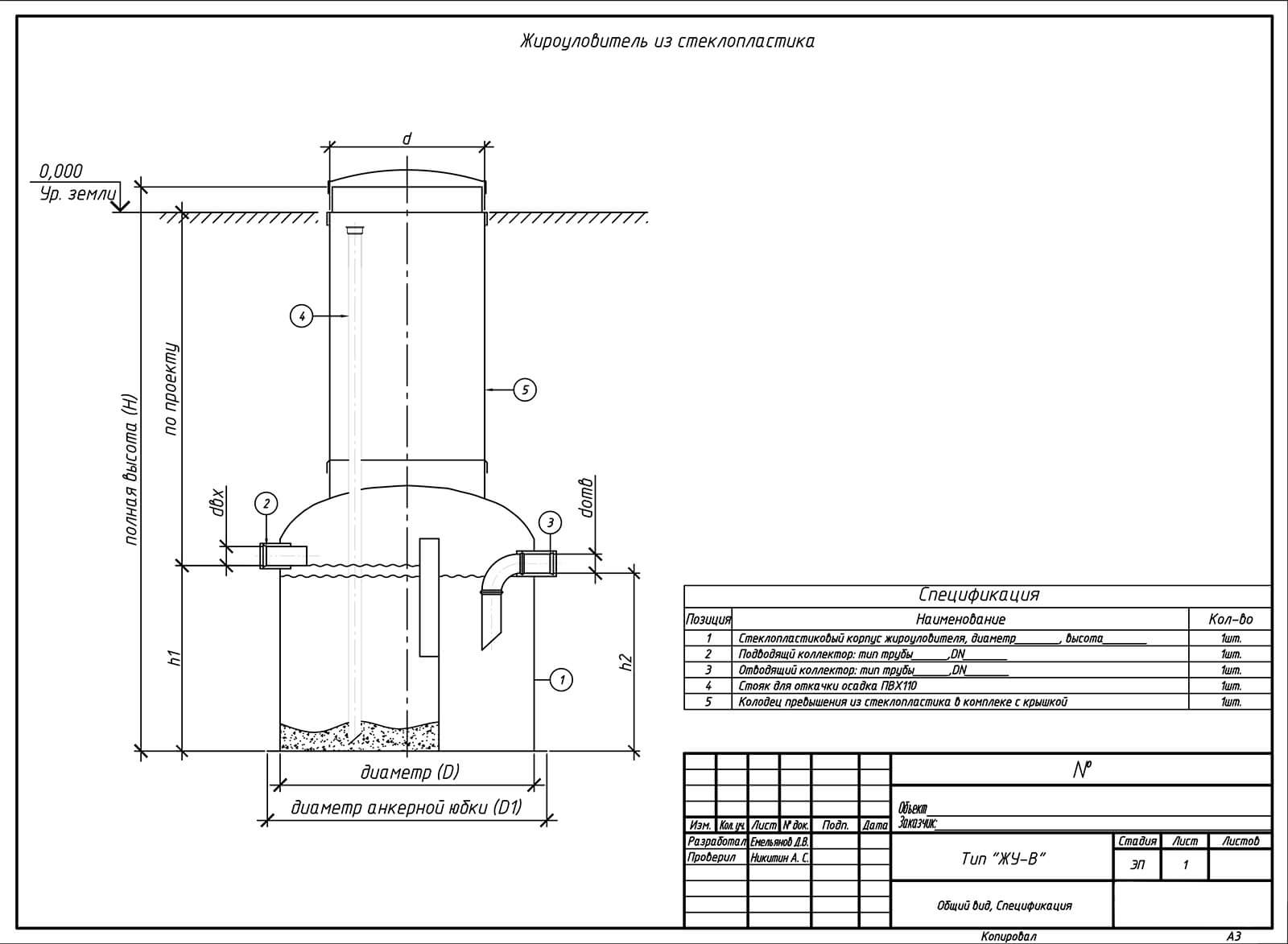
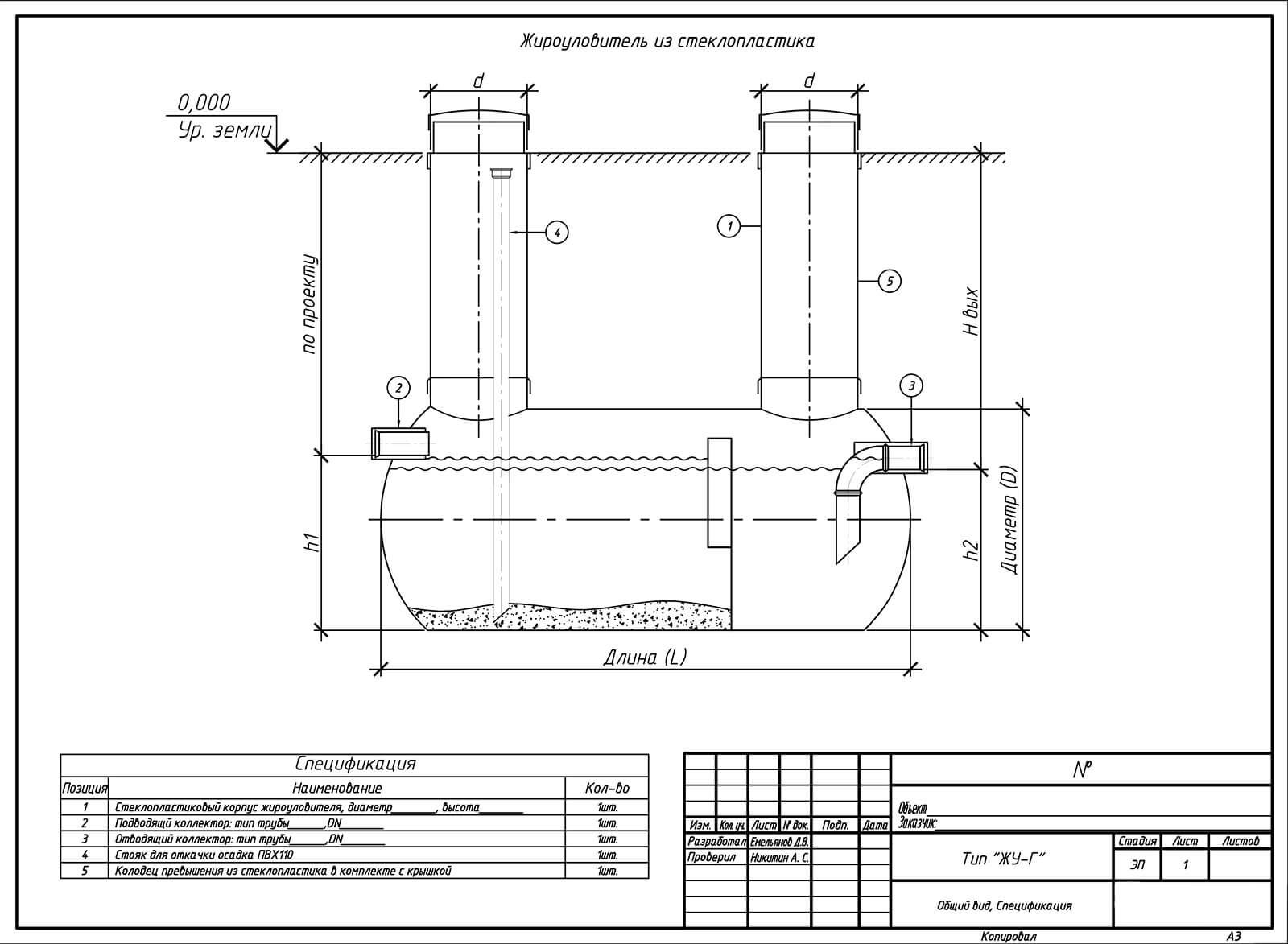
The device`s operation is based on the physical properties of various substances. The purification process is carried out in stages:
- Contaminated wastewater enters the primary compartment
- Flow is slowed and water temperature is reduced by special partitions
- Natural floating of fat fractions due to their lower density
- Transfer of purified liquid to the secondary compartment
- Final filtration stage
- Discharge of purified water into the sewer system
Key advantages
Installing a grease trap provides a number of significant advantages:
- Reliable protection of the sewer system from grease plugs
- Compliance with environmental standards
- Ease of installation and subsequent maintenance
- Efficient elimination of unpleasant odors
- Increasing the service life of the sewer system
- Optimal price-quality ratio
Applications
The equipment is widely used in various fields:
- Cateringof all formats
- Food industryof various sizes
- Food establishmentsfrom small cafes to large restaurants
- Dairy production
- Meat processing plants
- Private households
Device classification
By functional purpose A distinction is made between:
- Home models for individual use
- Industrial systems for large-scale facilities
By purification technology, a distinction is made between:
- Mechanical units with natural fat separation
- Biofilters based on microbiological processes
- Chemical systems using special reagents
Equipment selection factors
When selecting the optimal option, the following should be taken into account:
- Water consumption intensity
- Sewage system parameters
- Dimensions of the room for Installation
- Wastewater specifics
- Number of connected water points
- Material preferences
Installation rules
Placement recommendations:
- Domestic models are installed under the sink or within a 5-meter radius.
- Industrial models require a separate room or basement.
- Optimum temperature range: from +5 to +40°C.
- Mandatory adherence to the preventive cleaning schedule.
Final conclusions
Grease trap equipment is a critical infrastructure element in areas with high fat content in wastewater. Proper model selection, combined with regular maintenance, ensures stable and efficient system operation over a long period.